Sunday, March 31, 2013

Creating Garden Stakes: April Program

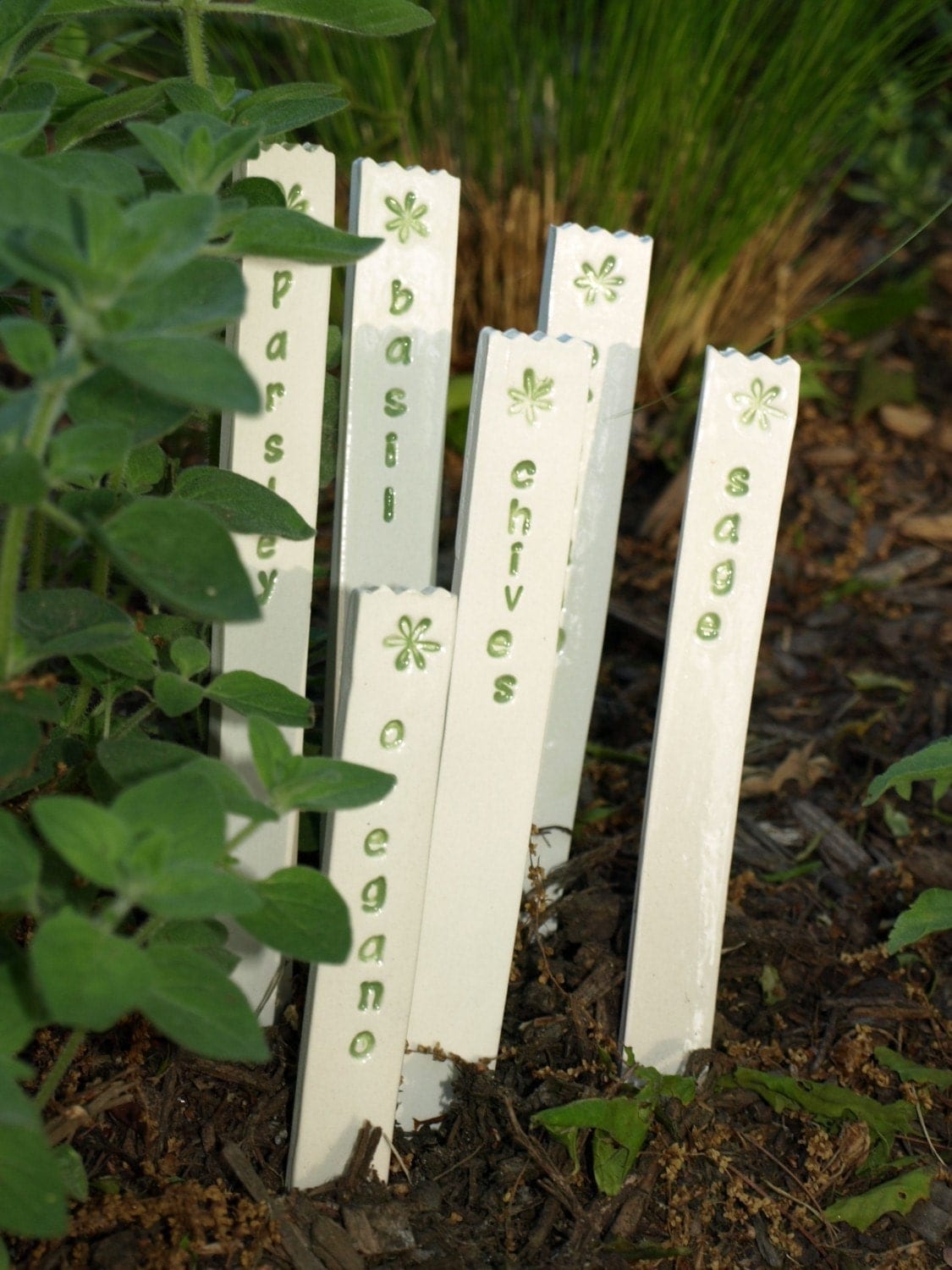
These beautiful garden stakes were
created by zinniadesignstc and
are available on etsy.
April's Garden Club program will be a little something different this month -- we are creating ceramic garden stakes. These stakes will be used to raise money for future Garden Club activities.

This will be a nice departure from the wonderful presentations we have had lately, and a great opportunity to socialize and get to know each other, especially all of our newer members. It will also be an opportunity for everyone to participate in a fund-raising project.

Check out the Pinterest Board we've created to gather ideas (feel free to pin other ideas there as well). And bring any tools you think might be helpful in creating our designs.

See you Tuesday, April 2 at 6pm for the meeting, and 7pm for creating the garden stakes.

Tuesday, March 26, 2013

Spring Pruning Roses

By Suzanne K.
Every time I see President’s Day on the calendar I think about roses. I was taught that in the Pacific Northwest, mid-February is the time to prune roses. It has always worked well for me.

Whatever day you choose, you should pick a time when you feel that the danger of hard frost is over. Roses will sustain more damage during freezing weather if they have been pruned. You can look at the buds on the stems, and if they are beginning to swell, it’s probably a good time.

My roses are either the Floribunda or Tea varieties. I like to prune them into the traditional vase shape because it allows for good air circulation (less disease), easy pruning during summer, and I like the appearance.

Start by pruning out any dead (black, brown, shriveled up) canes. Prune close to the base of the cane or, if only part of the cane is dead, prune just above a bud, preferably a bud facing the outside of the plant.

Most roses are grafted onto root stock. If you see suckers growing out of the root stock or out of the ground, prune those off. Dig around the ones coming out of the ground, and try to sever them from the main root.

Now you will be pruning on the healthy canes that will give you your beautiful stems and flowers. Depending on the size of the plant, I usually prune to six or eight main stems. If you prune out some of the main stems, pick the older ones to eliminate. You can make the remaining stems anywhere from 12 to 48 inches tall, depending on the stem diameter and your personal preference. Thicker stems can be left longer. Prune them with a diagonal cut just above an outward facing bud. Prune off branches that head into the interior of the plant or criss-cross each other.

It is a good ideas to sprinkle a nice helping of rose fertilizer (with alfalfa meal) around the base of your plant and dig it in. Repeat the fertilizer application every 4 to 6 weeks. This really helps with abundant flower production and creates a healthy, vibrant plant that is much less susceptible to disease.

Now enjoy your beautiful flowers!

Monday, February 25, 2013

What’s New in the World of Vegetables?: March Program with Alice Doyle

'Glacier' an heirloom tomato
offered by Log House Plants
What's new in the world of vegetables?

Almost everything!

Today's spectacular grafted vegetables take this formerly ho-hum topic to a new high of visual and culinary excitement. Indeed, the whole field is exploding with heritage and brand new varieties, new flavors, new colors, fascinating taste experiences, and new techniques for grafting and growing super vegetables.

On March 5, the Garden Club will host Alice Doyle co-founder of Log House Plants, a wholesale nursery just east of Cottage Grove. In 2010 Log House was the first grower in the United States to offer grafted vegetables to the home gardeners through their retail accounts in the northwest and nationally through Territorial Seed and Garden Life radio.


'Berkeley Tie Dye Pink' a
Wild Boar Farms hybrid offered
by Log House Plants.
Alice's talk will take us beyond the potager to edible beds of beauty, bursting with gorgeous, hardworking vegetables that don't quit even when the weather won't cooperate. She'll also introduce unsung hero "artisan hybridizers" to contrast with hidden dangers that threaten seed crops and human health as well as wild flora and fauna. This fascinating look at the challenges and treasures of tomorrow's table will change the way you think about growing veggies!

This presentation is FREE and open to the public. The Garden Club meets at the First Presbyterian Church on the corners of Adams and 3rd. 6:00 pm is our business meeting, with Alice’s presentation at 7:00. Please feel free to come on in!

Tuesday, January 22, 2013

Heavenly Hellebores and Divine Companions


Ernie and Marietta O’Byrne are the well-known owners of Northwest Garden Nursery, a Eugene-based nursery specializing in hellebores. On February 5, they will present a special program to the Garden Club.

This program will illustrate plant choices for the late winter and early spring garden. Of course, they will feature their hellebores, and some will be available for purchase; as well as podophyllums, early bulbs, winter-interest shrubs, and much more.

The O’Byrne’s presentation will also include cultural tips regarding the plants discussed.

Presented by the Cottage Grove Garden Club. Meeting at the First Presbyterian Church on the corners of Adams and 3rd (216 South 3rd St.) This event is free and open to the public.

Meeting time: 6:00 pm
Presentation: 7:00 pm

Friday, December 28, 2012

How Plants Get Their Names: January 2013

On Tuesday, January 8,  Brinsley will entertain us with an illustrated talk about the ways plants get their names. He'll also show how we can name a plant which we think is new or different. Brinsley will look both at "Latin" scientific names and "common" names for plants and show how a Swedish born botanist, Carl Linnaeus, established a system which ensured, for the first time, that each plant only had one correct name. This system is, by international agreement, used throughout the world today. We will also learn how to understand and pronounce plant names.


See this 1567 plant identification book in person during Brinsley's talk.

Additionally, we will also look at some intriguing aspects of plant naming such as:
  • Why in the USA there are more plants named for the Devil than for Saints and in Europe more plants are named for Saints than the Devil.
  • Why hemlock is a forest tree in the USA and the official state poison of ancient Greece.
  • Why the Irish cannot agree which plant is the true shamrock.
  • Why Caltha palustris has over 240 different common names.
  • Why the Jerusalem Artichoke is a Sunflower and has nothing to do with Jerusalem.
  • Why Botanical Latin is a new language, not just a revival of what the Romans spoke.
  • Why Shakespeare wrote about many plants but never used the word "petal."

This presentation is FREE and open to the public. The Garden Club meets at the First Presbyterian Church on the corners of 3rd and Adams. 6:00 pm is our business meeting, with the presentation at 7:00.